Lessons from English 5F
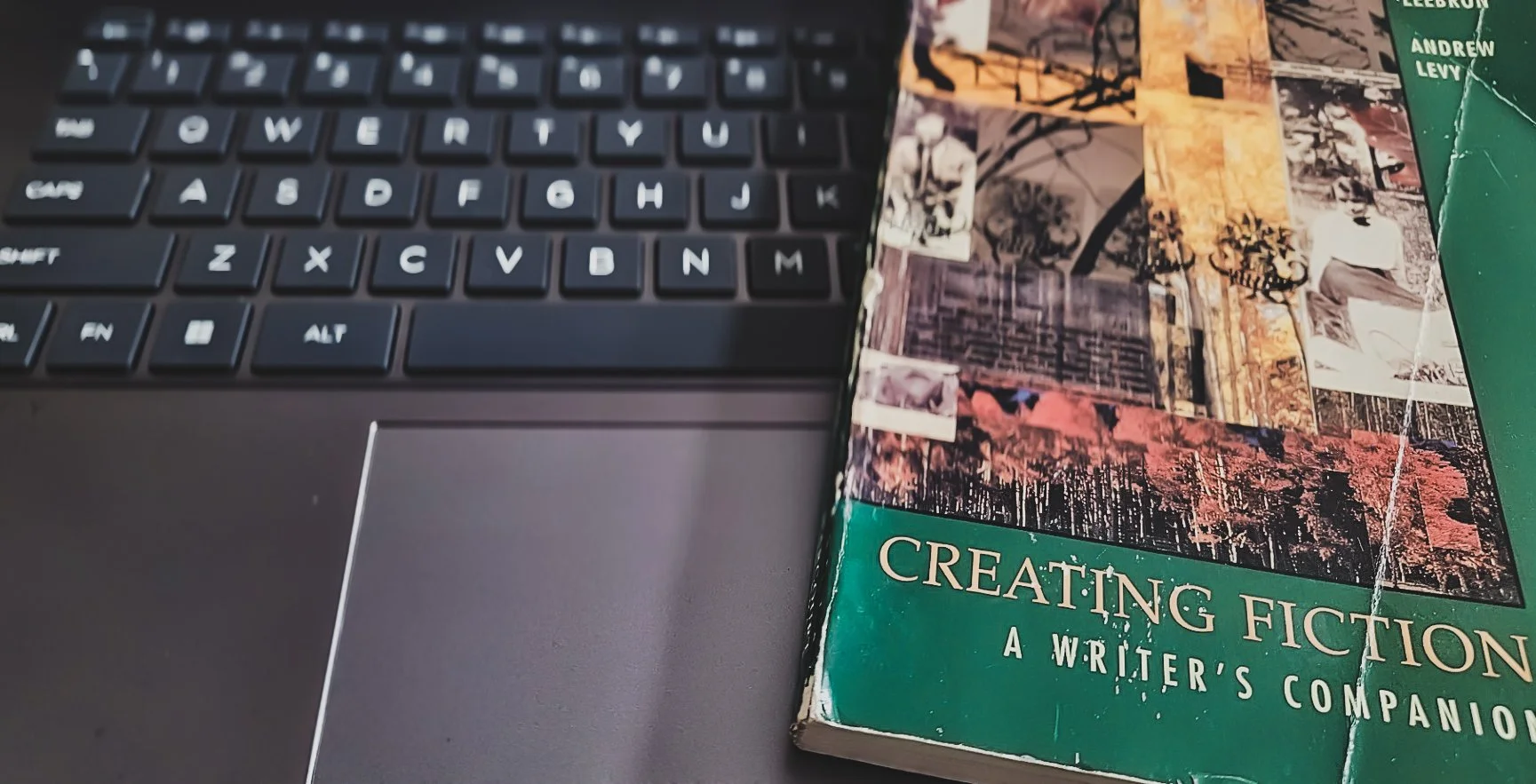
In the spring of my freshman year of college, I took a short story composition class where I learned the most important lessons of my writing life, lessons that had nothing to do with plot, themes, or character development. To be sure, I gained invaluable wisdom on the elements of fiction writing—show, don’t tell, for example—but the lessons I learned about freedom and pride shaped me even more.
Our instructor was a UC Davis MFA student whose teaching style I found overly prescriptive. If someone shared work that went in a direction she had not expected, she could be bluntly dismissive, and there seemed little we undergrads could do to change her mind. She and I butted heads a few times.
One week we read Ernest Hemingway’s story “Hills Like White Elephants” and had to write a conversation using few dialogue tags, letting the characters convey their interior lives rather than the narrator. And, following Hemingway, the dialogue shouldn’t be on the nose, but what the characters didn’t say should carry as much weight as what they did say.
I turned in my assignment and received it back with the note, “I’m surprised you could pull this off.” Depending on where one places the emphasis, that sentence could read multiple ways. Emphasize this and it reads that she really liked my work. Emphasize surprised, and it reads that she wasn’t expecting so much effort put into a simple exercise. I chose the most uncharitable and disdainful option, reading it as, “I’m surprised you (the talentless know-it-all who vexes me) could pull this off (because your work has been barely literate).”
That marginal note led me to my first lesson. I had spent the first weeks of the quarter turning in work that I thought the instructor would like, which only sucked the pleasure out of writing. I decided that afternoon to no longer care what she thought. For the rest of the term, I completed assignments how I thought best, regardless of her opinion. That freedom made the writing process joyful and my work more authentic.
Our midterm and final were two short stories, each ten pages long. I received good marks and feedback on the first story. Then, after several weeks employing my damn the torpedoes approach, I took a big risk on the final, turning in a story with multiple characters (including a dog) who interact only inside their dreams, and the dream sequences themselves are written in loose verse. After reading the final projects, the instructor told the class that some of us had turned in work worse than our first stories. I was certain my experiment had failed and that she included me in the group who had regressed.
Our instructor gave us our final story grades in one-on-one discussions during her office hours. I didn’t look forward to the meeting because I had thought she didn’t like me and I had decided her opinion of my work didn’t matter. Surprisingly, she enjoyed my second story and she applauded my swing for the fences. She offered to help me get into the upper-division fiction writing courses.
My pride still stung from what I thought was her earlier disdain towards me, and I believed my writing was so strong that I could qualify on my own, so I applied without her recommendation. I only made it on the bottom of the waitlist, meaning I had nearly zero chance of getting in. After that, my fiction writing went dormant for years, aside from occasional attempts, most of which remain unfinished. (I still wrote a lot of non-fiction—sermons, blog posts, devotionals, and academic papers.)
Only upon reflection tinged with regret, I learned the lessons that much of the world operates on personal connections and recommendations, and that I should take help when offered. I was convinced the instructor didn’t like me, but she proved kind and willing to move past our disagreements, whereas my wounded ego kept me from accepting her generosity. Not caring what she thought improved my writing, but my same pride short-circuited other advancement.
I am again grateful for the lessons I learned in English 5F as I prepare to publish my second novel. Our instructor unintentionally taught me that work made without worrying about the audience will be truer and people will still connect with it, even if it gets weird. She also showed me a graciousness I did not immediately recognize. I learned, via the negative route, that we all need help and we can’t let our pride get in the way.
Tyler Watson writes fiction and theology. He has served as a pastor in the Evangelical Covenant Church and earned his MDiv from Fuller Theological Seminary. He has written one novel, The Gospel According to Doubters and Traitors, and several devotionals. His second novel, Confluence, publishes in August 2026. You can find more about those works on this site.
